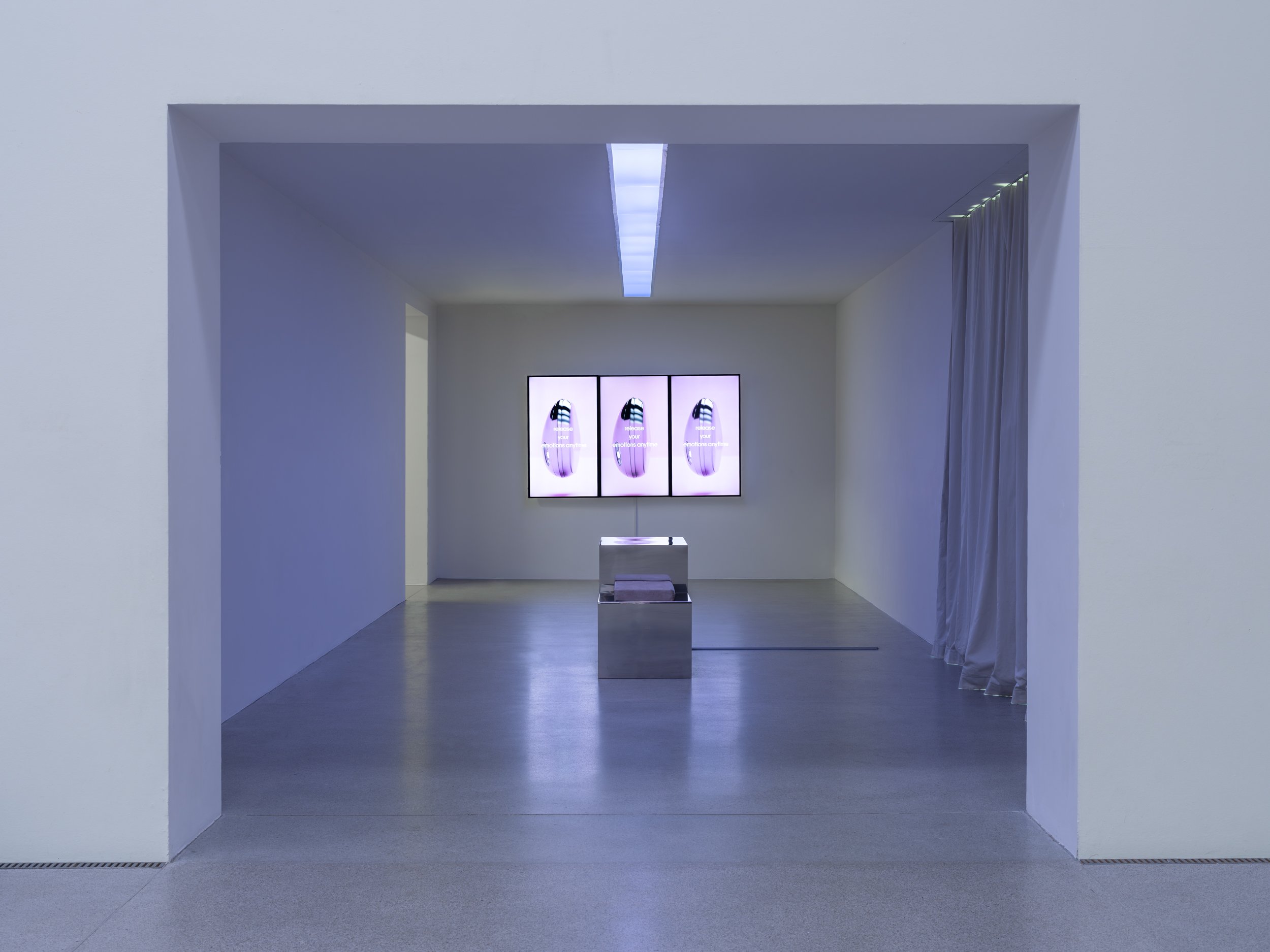
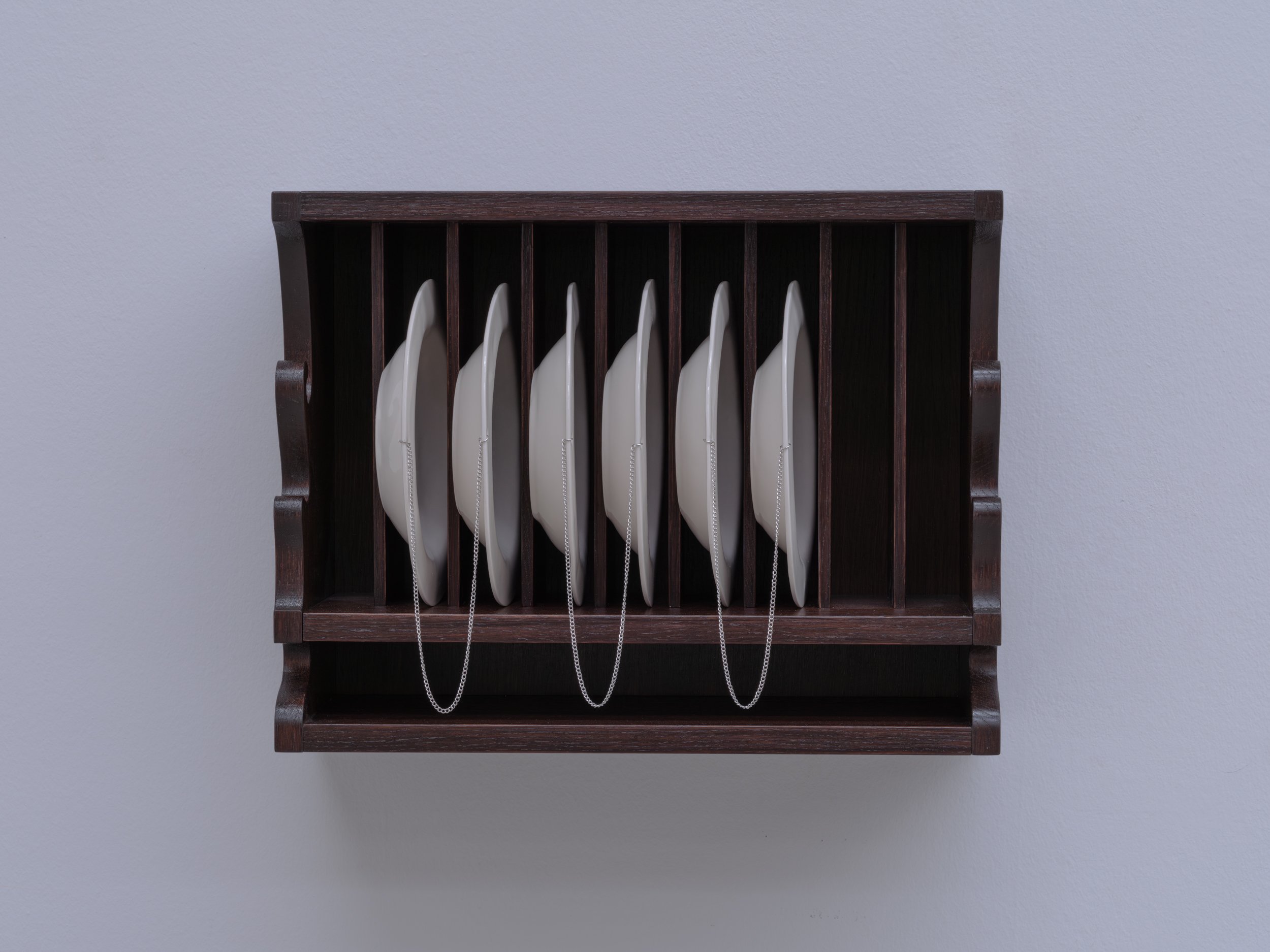
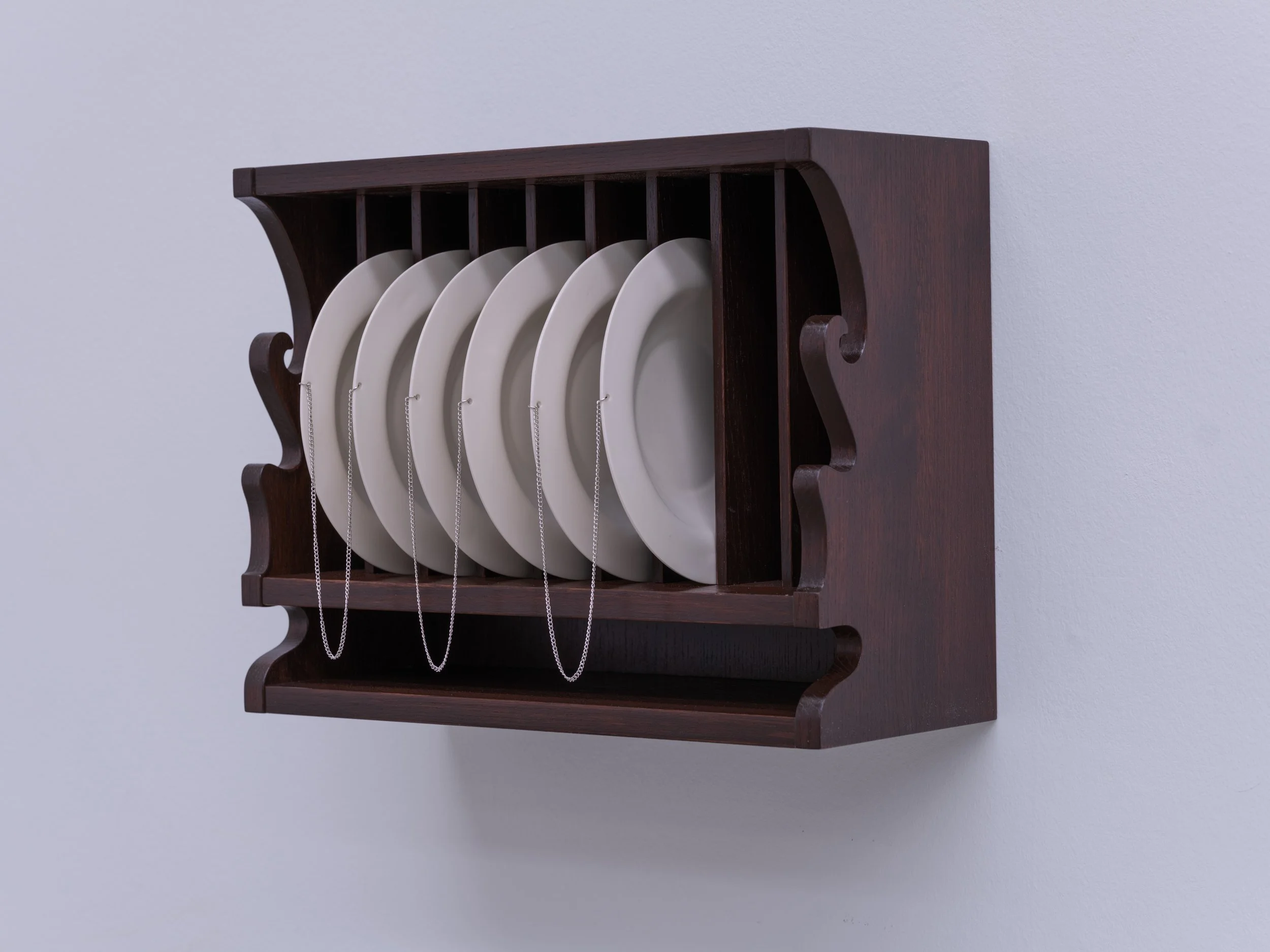
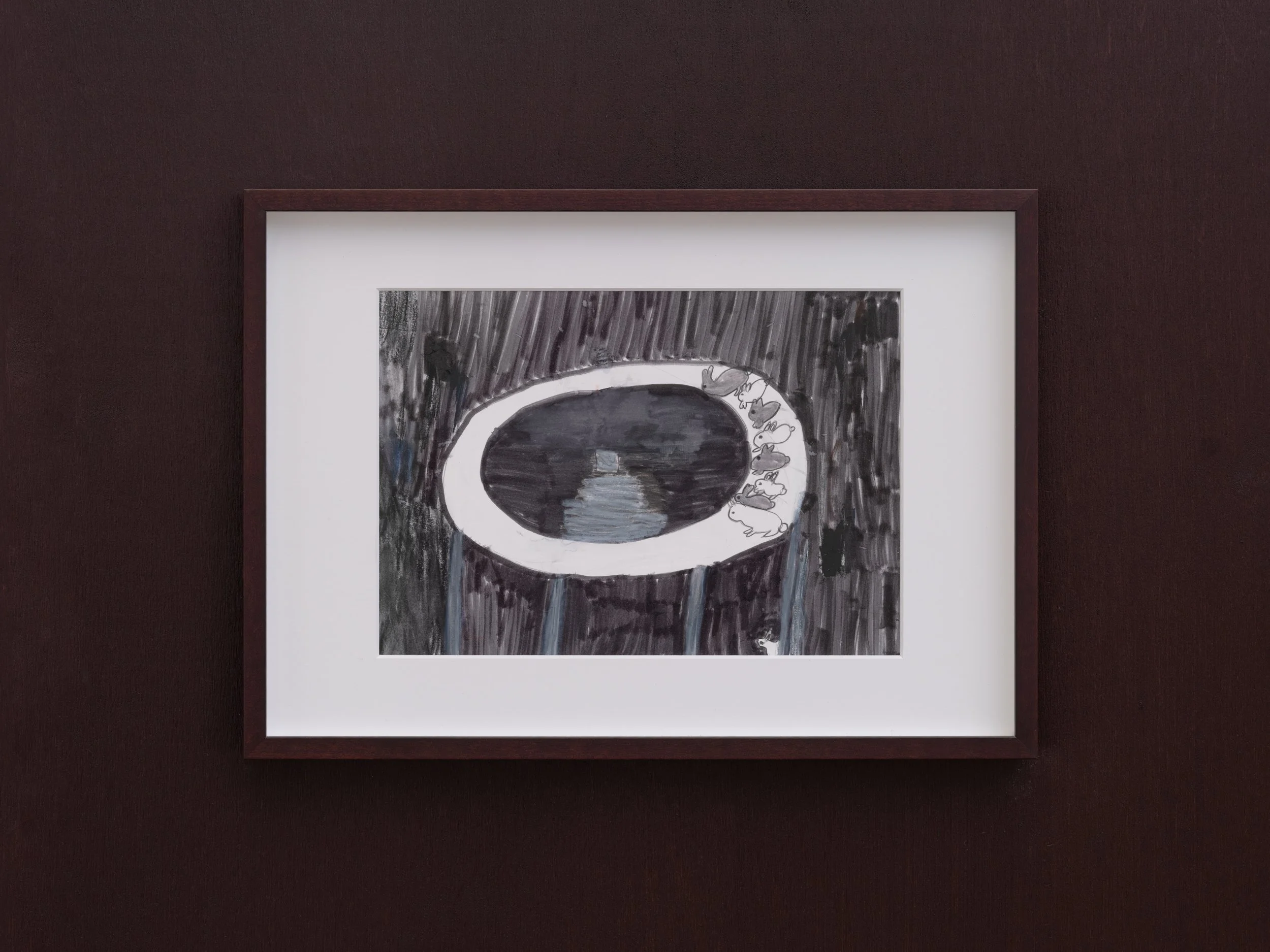
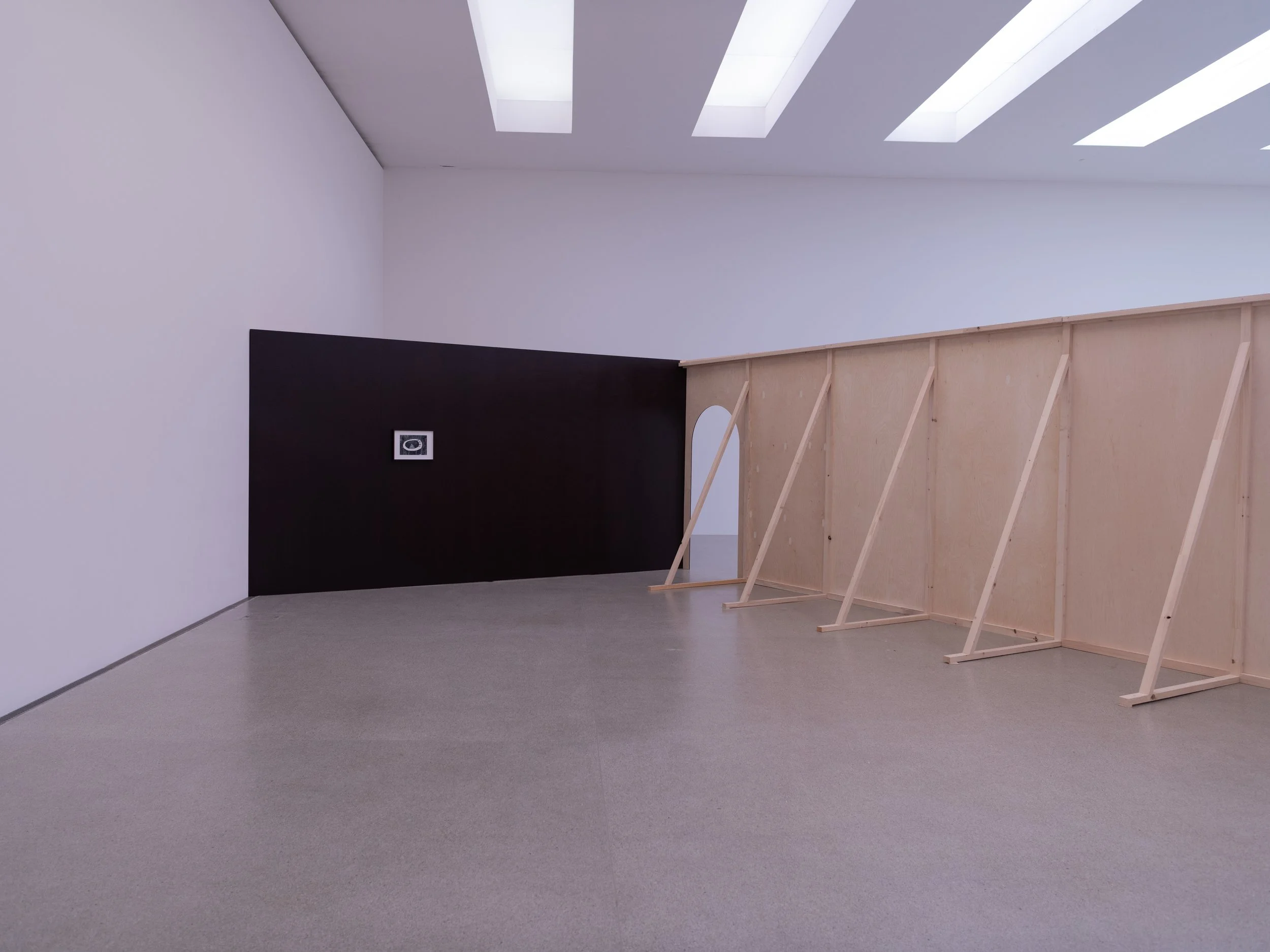
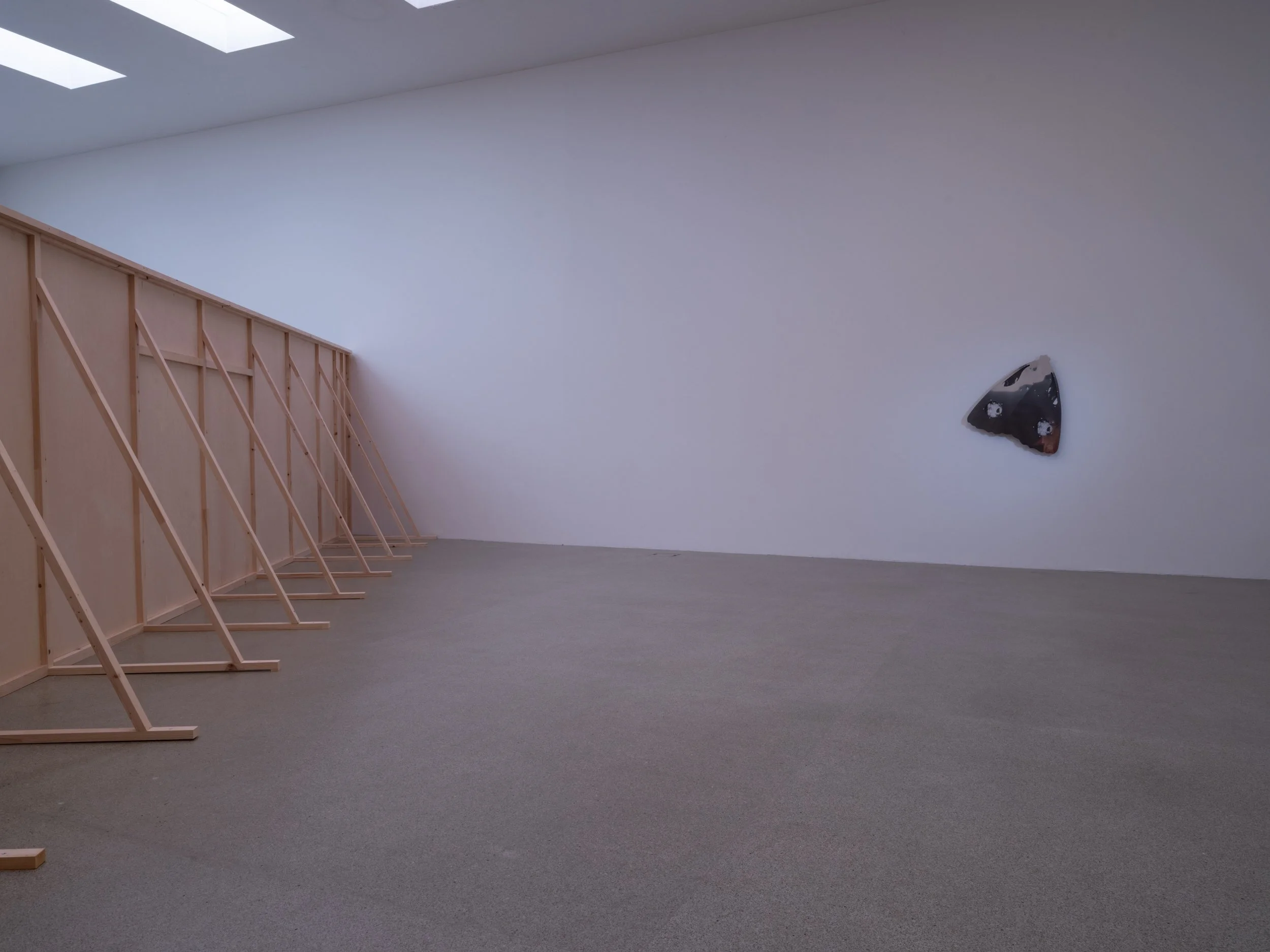
The term «estrangement» refers to the experience of affective or aesthetic alienation in which what appears familiar suddenly seems strange, artificial, or even arbitrary. As a social phenomenon, alienation is increasingly manifesting in the form of anxiety disorders, psychological isolation and the loss of prospects for the future, fuelled by escalating conflicts, growing distrust of political systems and rapid technological developments. For Anita Muçolli (*1993), the experience of estrangement forms the starting point of her exhibition «Navigating Estrangement», in which she traces this condition, rendering it perceptible on both a sensory and emotional level while opening up possibilities for collectively counteracting alienation.
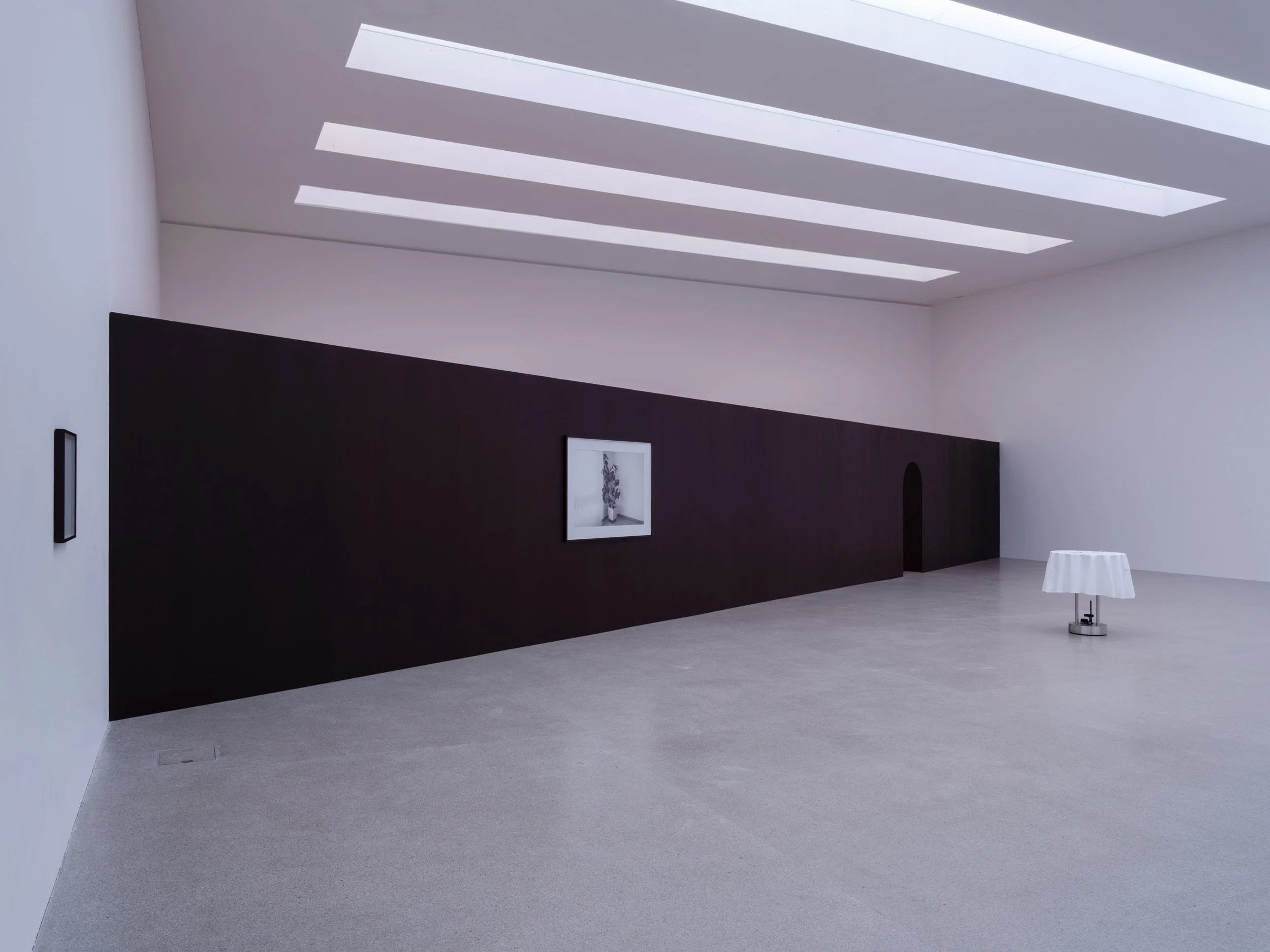
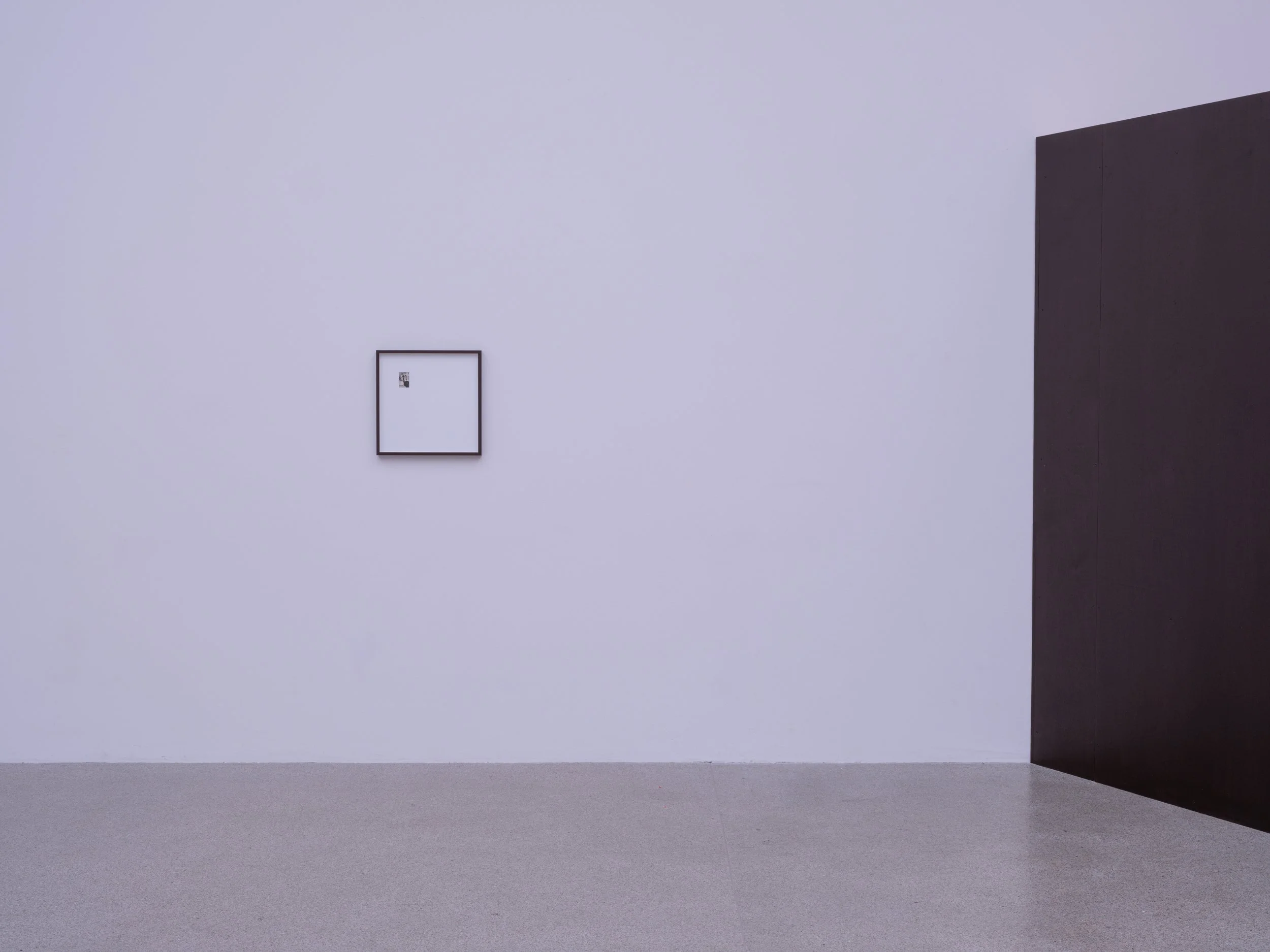
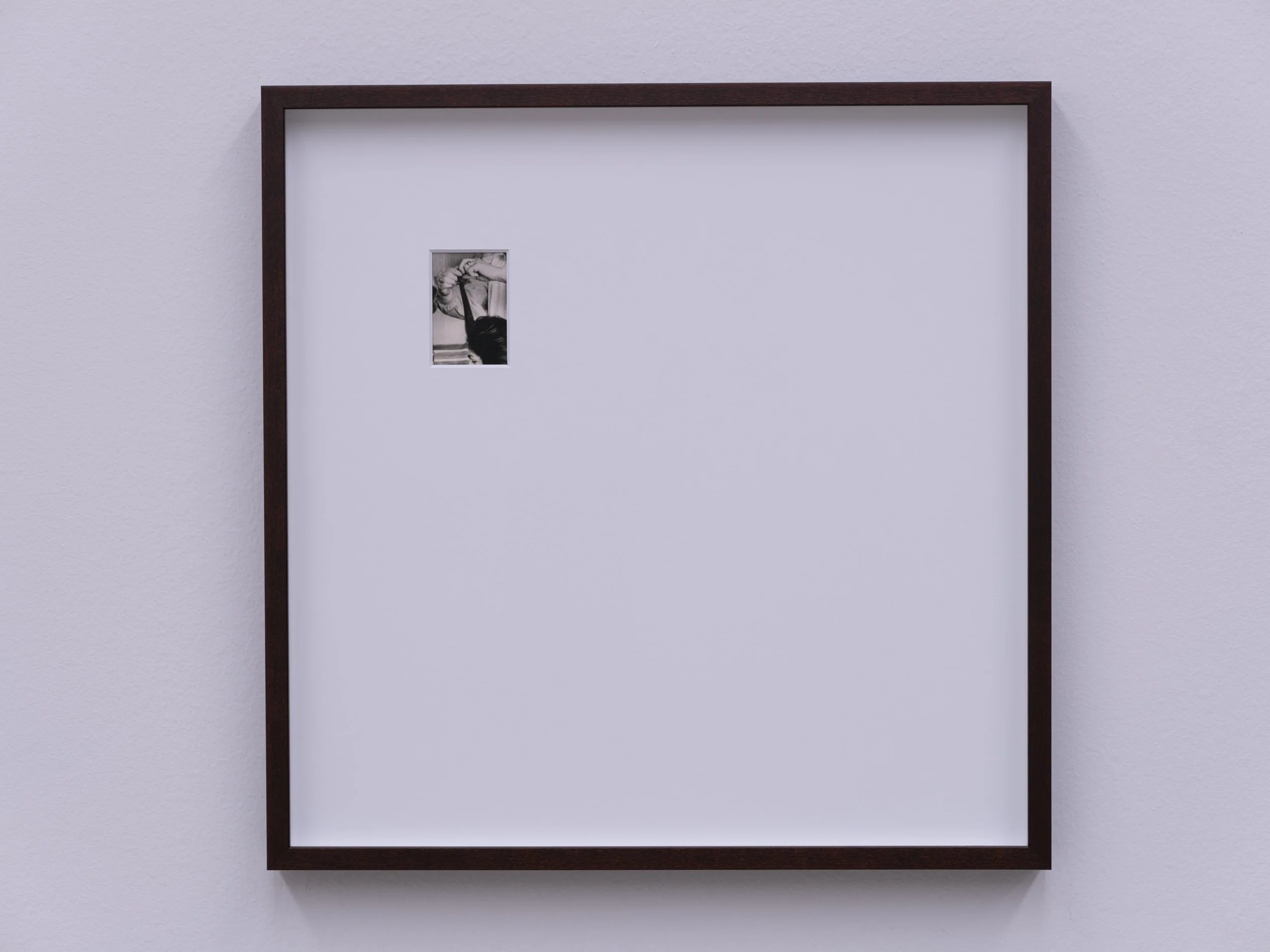
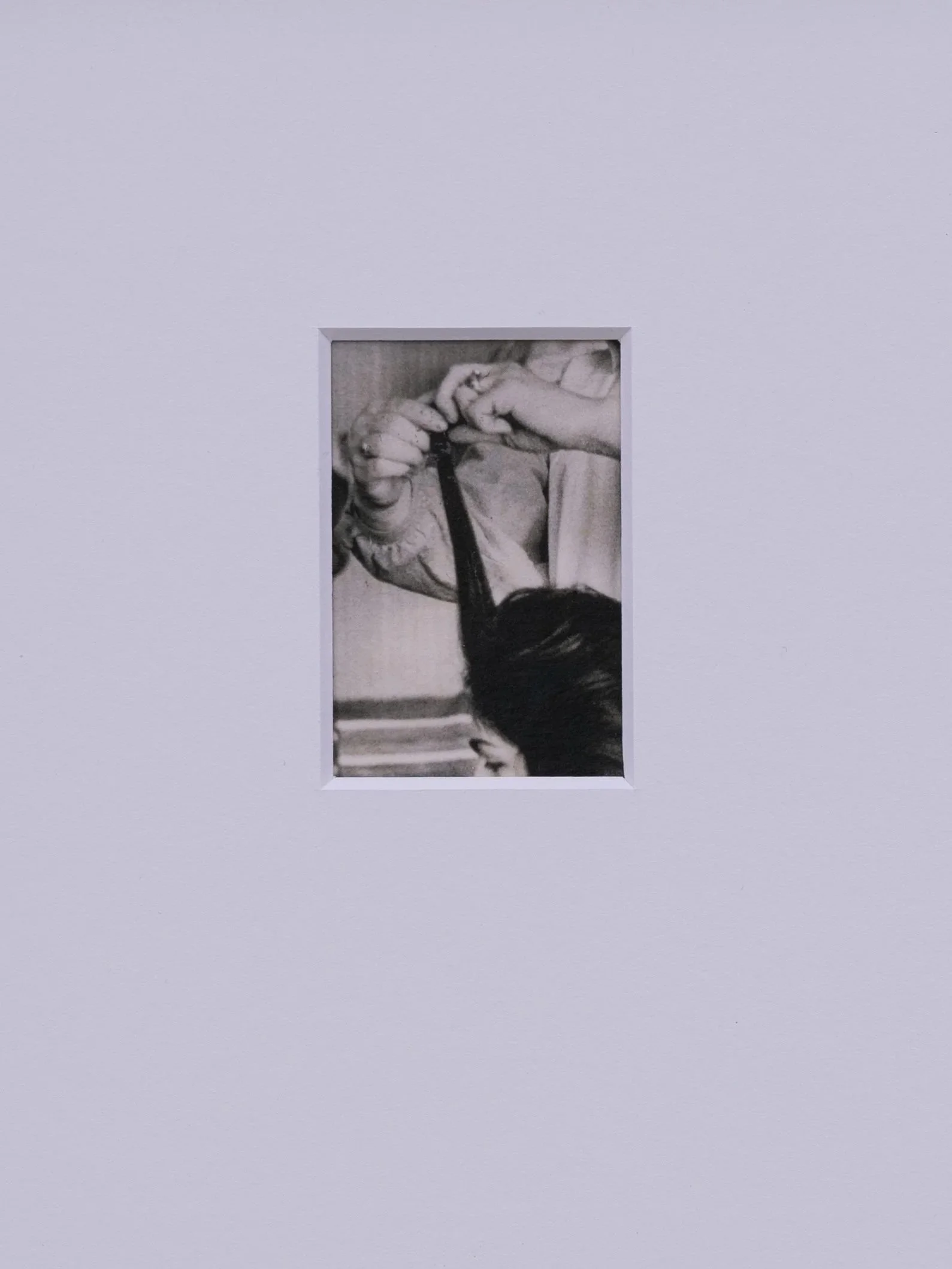
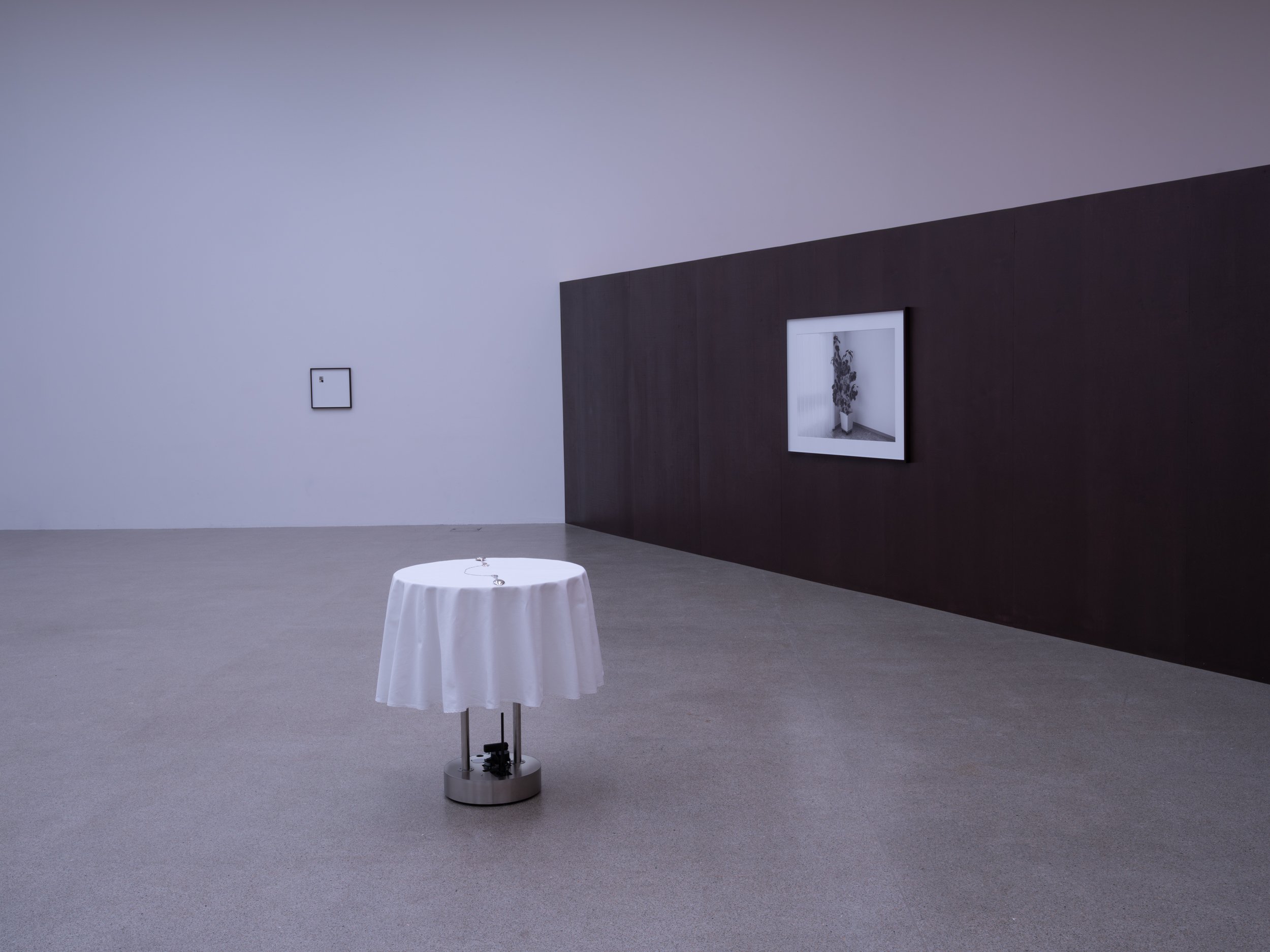
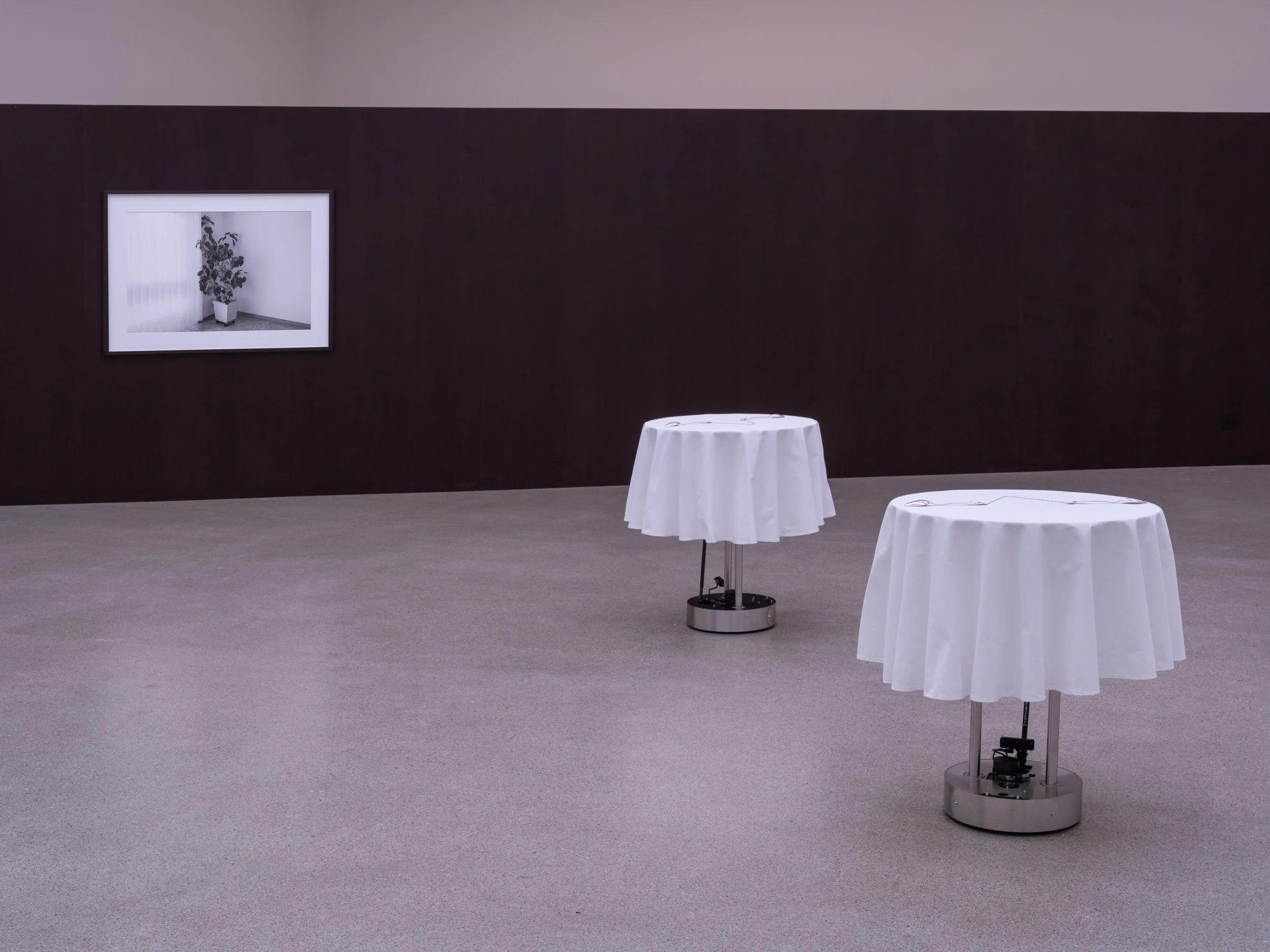
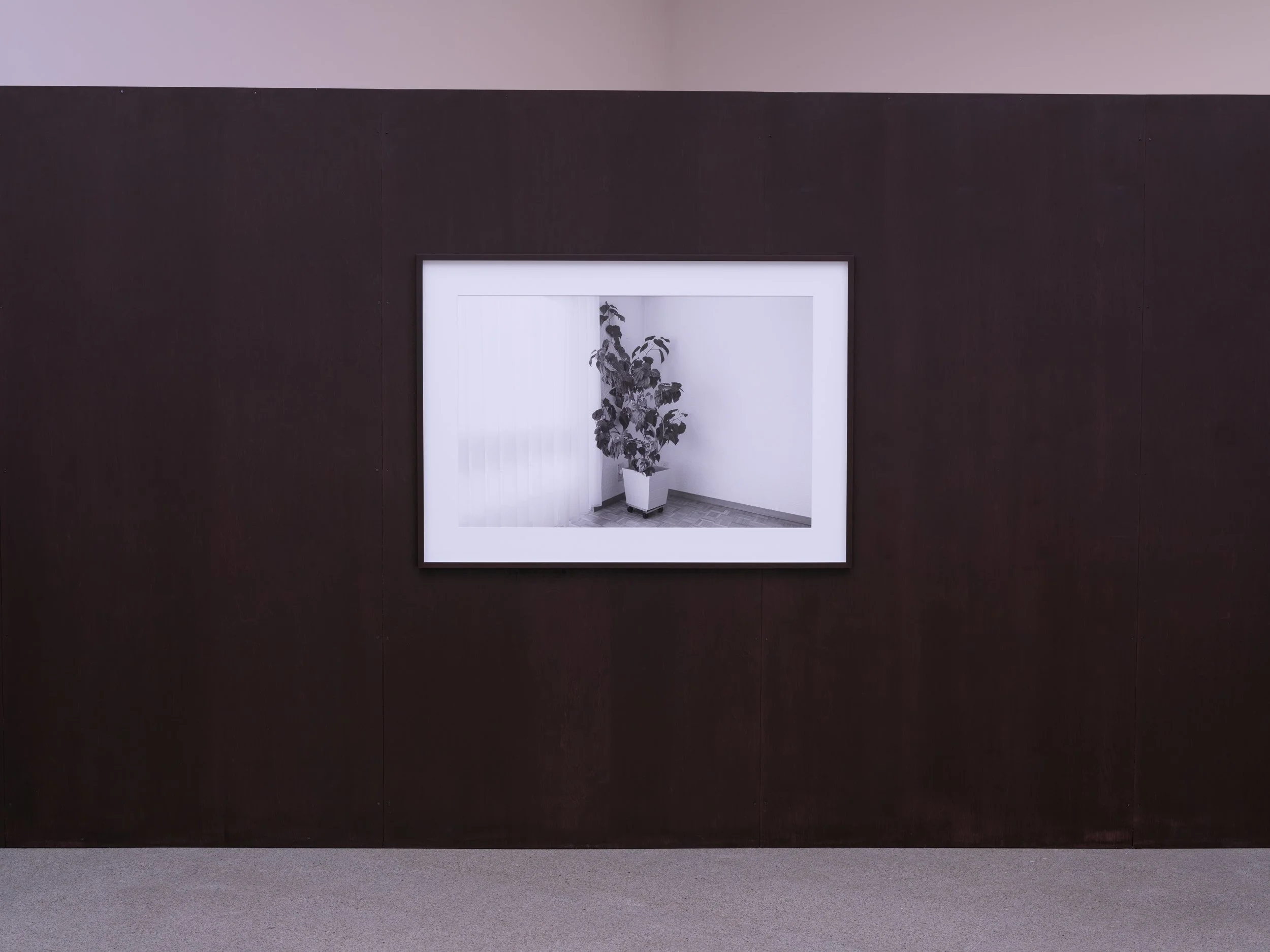
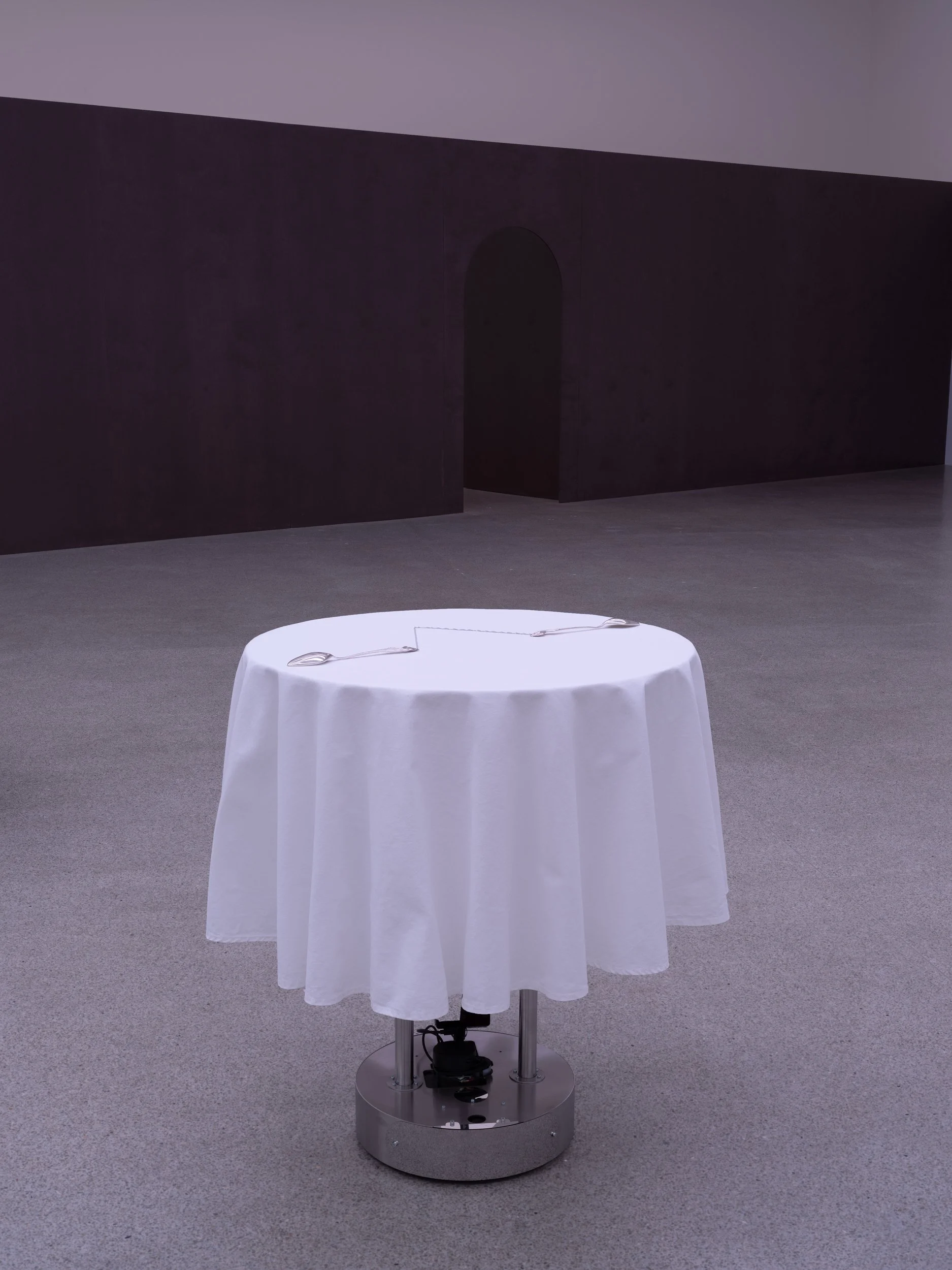
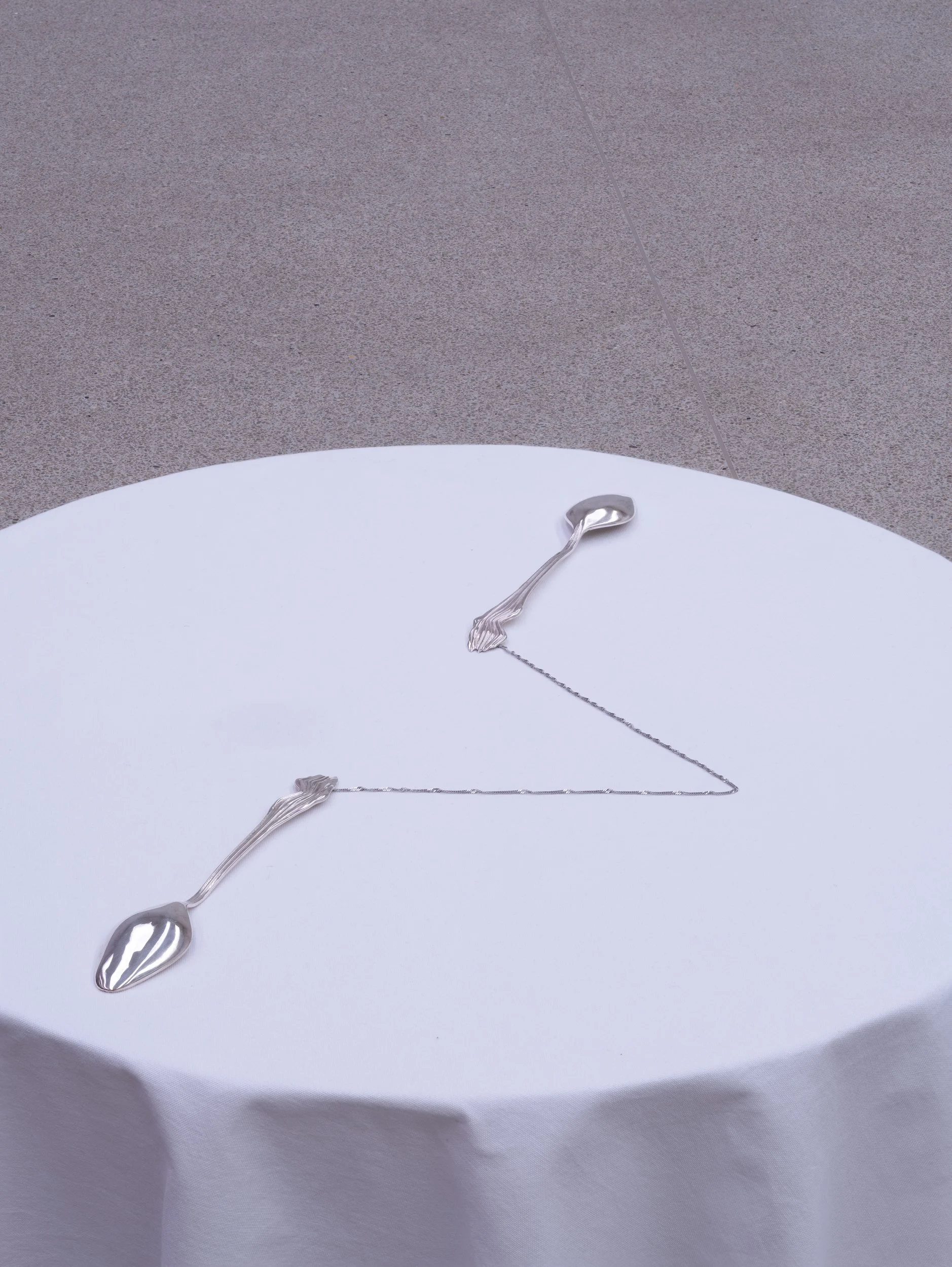
Much like science fiction, which emerged in the nineteenth century as a literary, film and artistic genre out of the tension between faith in science and fear of technology, and which imagines possible future developments or altered realities on the basis of rationally explicable ideas, Muçolli develops speculative objects and scenographies from real, existing objects and spaces. In the work Clocks (2026), for example, the artist transforms ordinary bistro tables through robotics into objects endowed with agency. Imitating the pendular movement of an annual clock, the furniture functions as a clock without indicating the time, thereby alluding to estrangement and disorientation — sensations that the British cultural theorist Mark Fisher (1968–2017) described as central features of twenty-first-century capitalist society. The two photographs Hands Holding Time (2026) and Bridges (2026) provide insight into the artist’s personal realm of memory and illuminate the theme of estrangement in the context of changing familial relationships and experiences of loss. The bluish light in which the entire exhibition is immersed evokes the suspended state of estrangement and recalls the so-called blue hour at dusk: an ambivalent threshold moment shortly after sunset or before sunrise, when certainties begin to waver and space opens up for imagination.
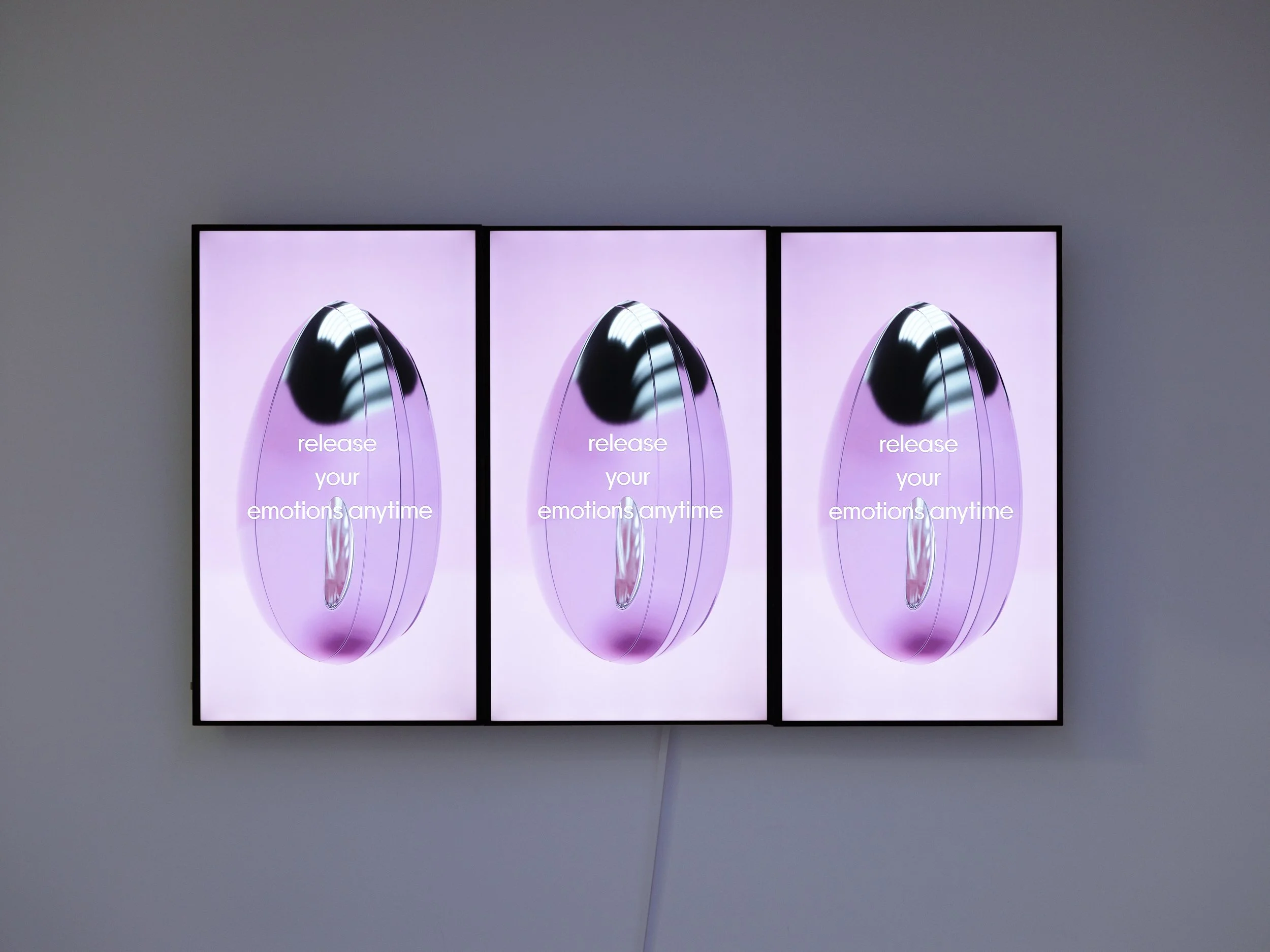
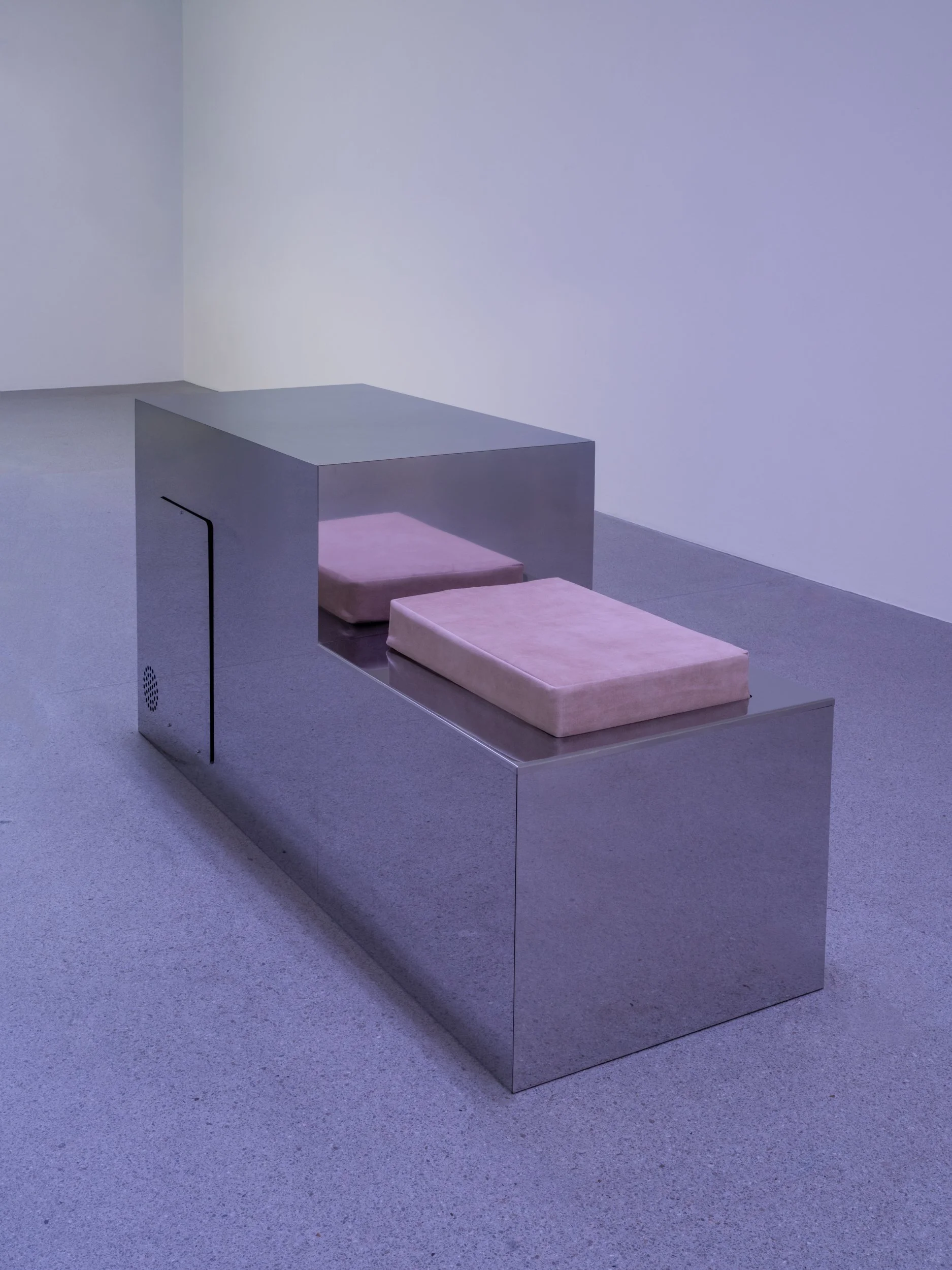
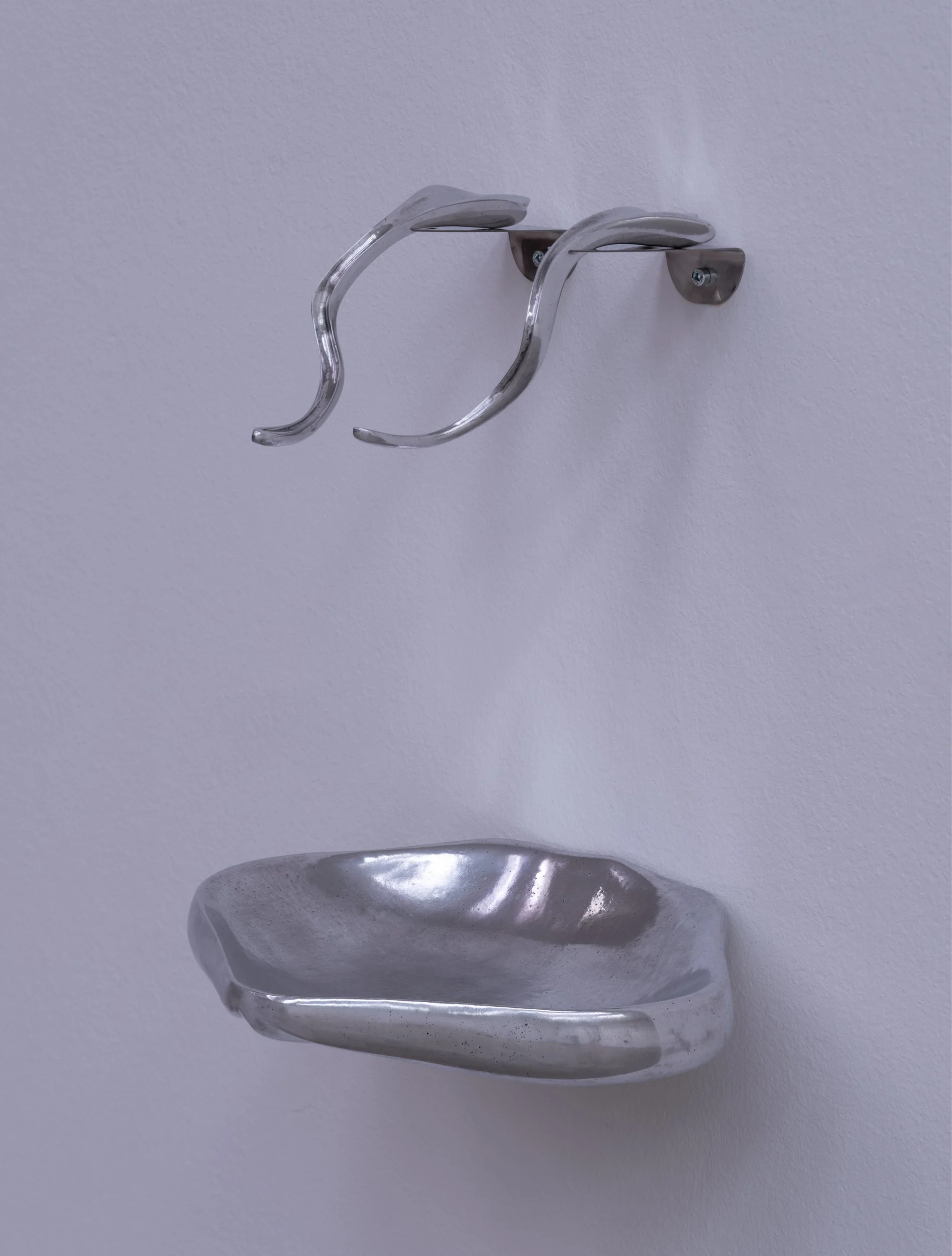
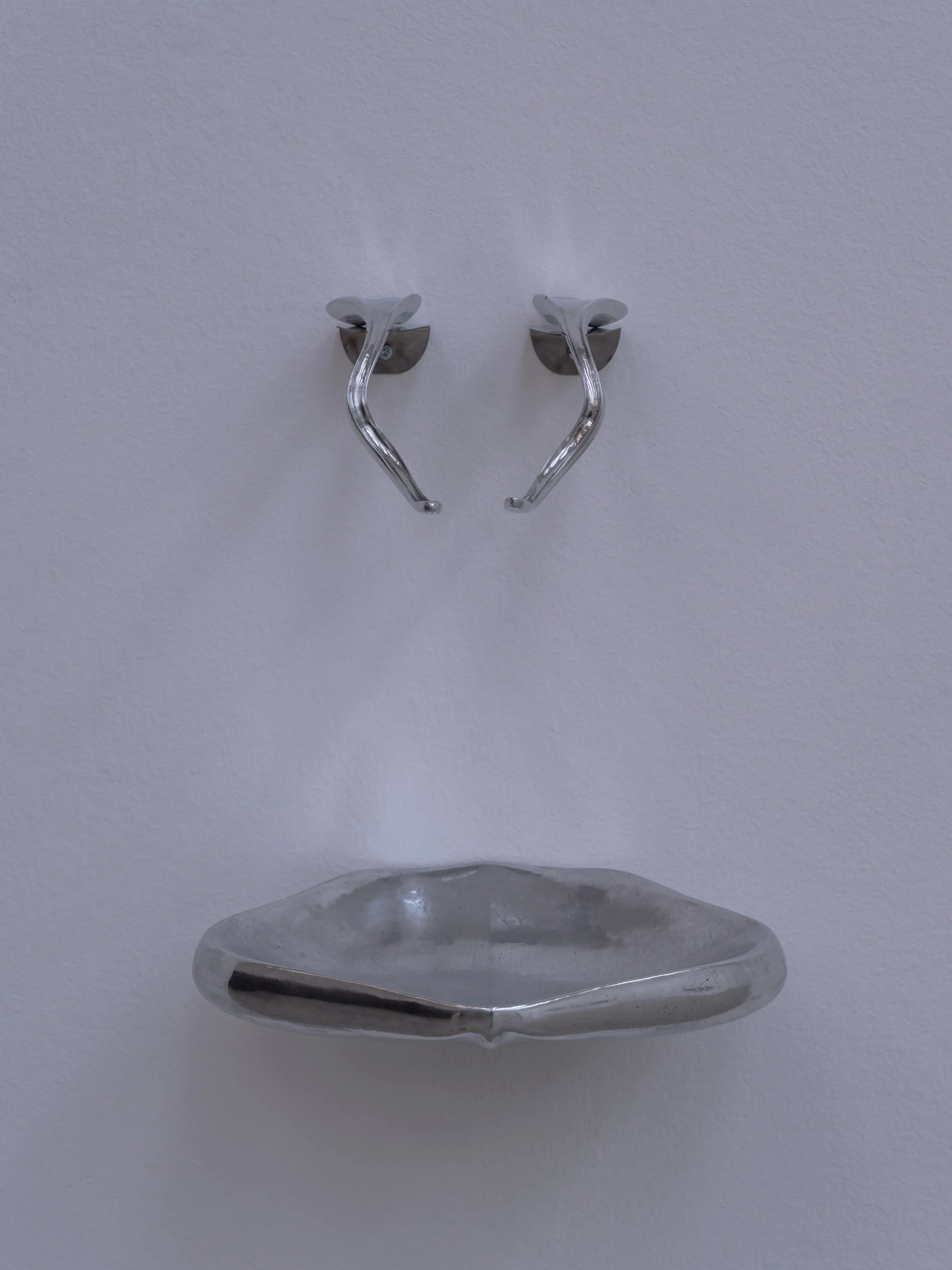
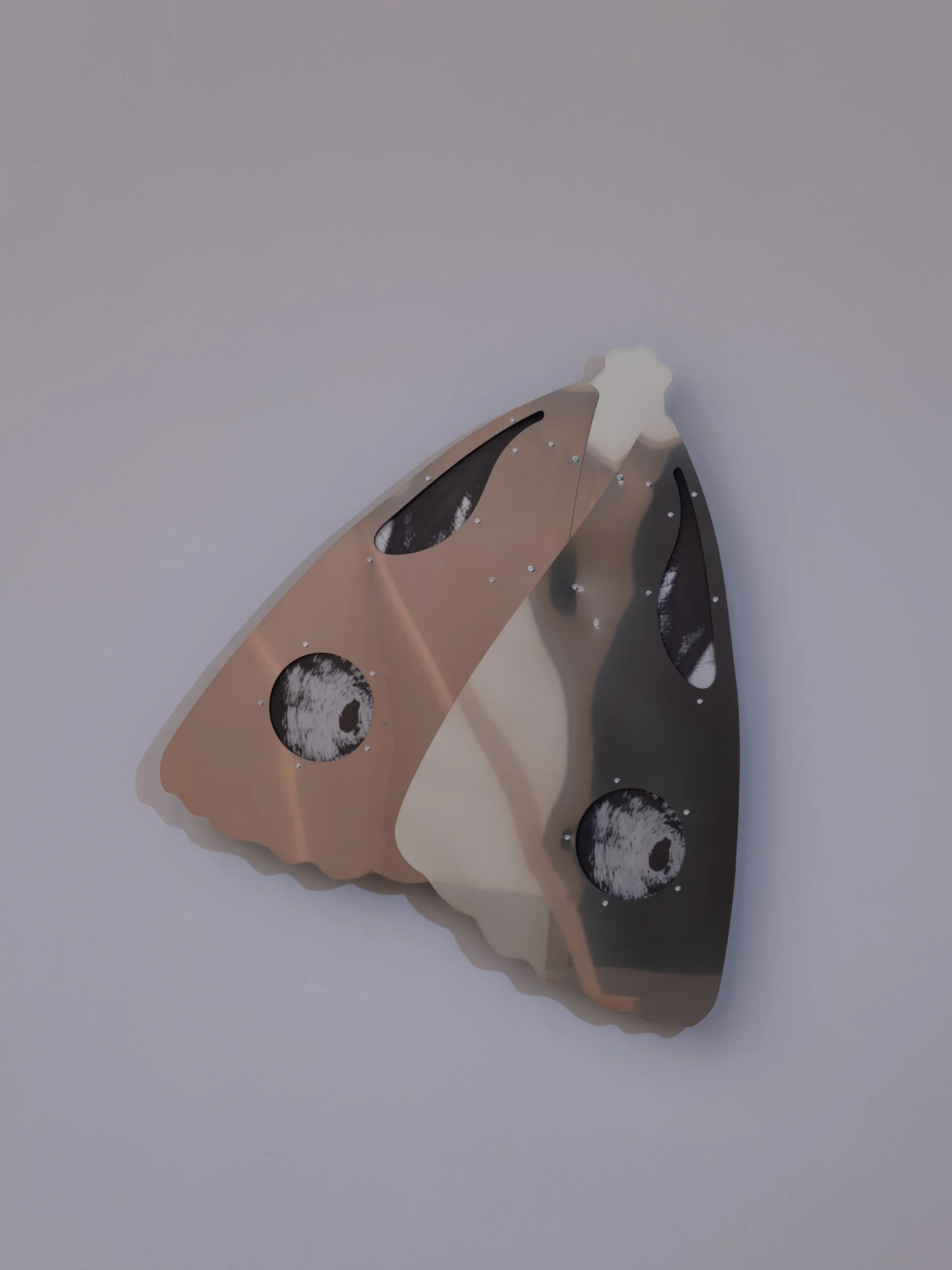
Another aspect of the exhibition addresses the lack of so-called emotional spaces in Western societies. Muçolli understands grief and other negatively connoted emotions not as private problems but rather as collective challenges of our time, for whose public expression shared spaces should be created. Tearextractors (2022/26), a small wall object made of aluminium, constitutes a fictional yet functional tool for catching and channelling tears. In this way, crying is foregrounded as a conscious, active practice and removed from the private sphere. The same tear collectors also appear in the video work Crying Pod (2026) at the entrance to the exhibition: shown on three screens reminiscent of digital advertising panels in public space, the work promotes a capsule dedicated to mourning, intended to allow melancholy and introspection to be integrated into everyday life. At the same time, the piece critically points to how, following positive emotions, heavier states of mind are increasingly being commercialised. Comfort Furniture: Purring Bench (2026), meanwhile, takes the form of a seating bench that — much like a cat — responds to visitors’ touch with purring sounds. The object presents itself as a humorous tool for relaxation and self-regulation, yet also constitutes an attempt to artificially generate feelings of happiness with the aid of technology. Finally, Angle to the Moon (2026) refers to the current resurgence of spirituality and astrology, which promise many people orientation and a form of inner recalibration — particularly at a time when political and social structures appear increasingly fragile. The moth, which navigates by maintaining a constant angle to moonlight, serves as a symbol of this development: just as it aligns its behaviour with a distant, seemingly stable light source, many people are likewise seeking support in overarching, transcendent systems of reference. –Selma Meuli, Curator Kunsthaus Biel
The artist would like to thank Helge Brackmann, Adriana Brantuas, Pascale Brügger, Joshua Jörin, Tena Kelemen, Kurt Küng, Yann Martins, Laura Thaçi, Kushtrim Thaqi, Fokko Vos, Kunstguss Basel and the entire team of Kunsthaus Biel
The Kunsthaus thanks the jury of the Manor Art Prize Canton of Bern 2026, consisting of iLiana Fokianaki, Director of Kunsthalle Bern Gil Pellaton, recipient of the Art Prize of the Canton of Bern 2022, Biel Chantal Prod’Hom, art and design historian, independent curator and former Director (2000–2022) of MUDAC, Lausanne Pierre-André Maus, Managing Director of Maus Frères SA, representative of the Manor Art Prize
Photos: Lea Kunz